Titanium clad steel plate is a high-performance composite material that combines the corrosion resistance of titanium with the strength and cost-effectiveness of carbon or stainless steel. It is widely used in industries that require both durability and protection against harsh environments. This guide covers its properties, applications, price factors, specifications, and benefits.
A titanium clad steel plate is created by bonding a titanium layer to a steel base through explosive welding, hot rolling, or vacuum rolling. This metallurgical bonding ensures:
Corrosion Resistance – Titanium layer resists seawater, chlorides, and aggressive chemicals.
High Strength – Steel base provides structural integrity and load-bearing capacity.
Heat Resistance – Performs well under high-temperature conditions.
Lightweight for Strength Ratio – Strong yet lighter than many solid alloy alternatives.
Biocompatibility – Suitable for food and pharmaceutical processing equipment.
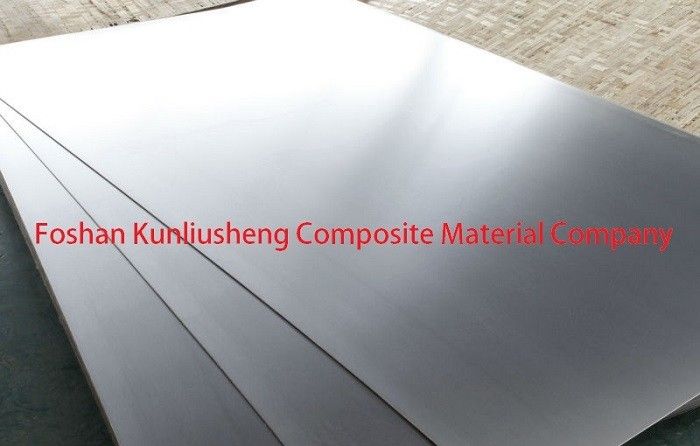
Titanium clad steel plates are used across industries where both corrosion resistance and strength are required:
Marine Industry – Ship hulls, offshore platforms, desalination plants.
Chemical Processing – Reactors, heat exchangers, storage tanks.
Power Generation – Condensers, flue gas desulfurization units.
Oil & Gas Industry – Pipelines, pressure vessels in offshore environments.
Aerospace & Defense – Structural components exposed to corrosive environments.
Food & Pharmaceutical Industry – Processing vessels and equipment.
The cost of a titanium clad steel plate depends on several factors:
Titanium Layer Thickness – Thicker cladding increases cost.
Base Steel Grade – Carbon steel vs. stainless steel base affects pricing.
Plate Dimensions – Larger plates cost more due to higher material and processing requirements.
Manufacturing Method – Explosive welding, hot rolling, or vacuum bonding vary in cost efficiency.
Market Titanium Prices – Global titanium price fluctuations impact final cost.
Typical Price Range: $3,000–$10,000+ per ton, depending on specifications and order volume.
While specifications vary by supplier and application, common parameters include:
Cladding Material: Titanium Grade 1, Grade 2, Grade 5, or other alloys.
Base Material: Carbon steel (ASTM A516, A36) or stainless steel.
Cladding Thickness: 1.5–15 mm.
Base Thickness: 5–200 mm.
Plate Size: Customizable, typically up to 3 m × 12 m.
Bonding Strength: Minimum 210 MPa (per ASTM B898 standard).
Surface Finish: Pickled, polished, or sandblasted.
Choosing titanium clad steel over solid titanium or conventional steel offers multiple advantages:
Cost Savings – Achieves titanium’s corrosion resistance at a lower cost.
Extended Service Life – Withstands harsh marine and chemical environments.
Reduced Maintenance – Lower repair and downtime costs.
High Strength-to-Weight Ratio – Allows for lighter designs without compromising durability.
Versatility – Suitable for various industries and environmental conditions.
Sustainability – Longer lifespan reduces material waste.
Conclusion:
Titanium clad steel sheets provide the perfect balance between performance and cost efficiency, making them a preferred choice in marine, chemical, and energy industries. By offering the corrosion resistance of titanium with the structural benefits of steel, they deliver long-term reliability even in the most demanding environments.


Comments
Please Join Us to post.
0